🎁 Black Friday : Abonnement 3 mois et plus obtenez un coffret Coup de Cœur gratuit (55 $). Code : VENDREDIFOU2025 (hors carte cadeau physique)

La boîte à thé

Nous parlons du thé, de recettes, de lectures, de voyages et d'entreprenariat

Black tea

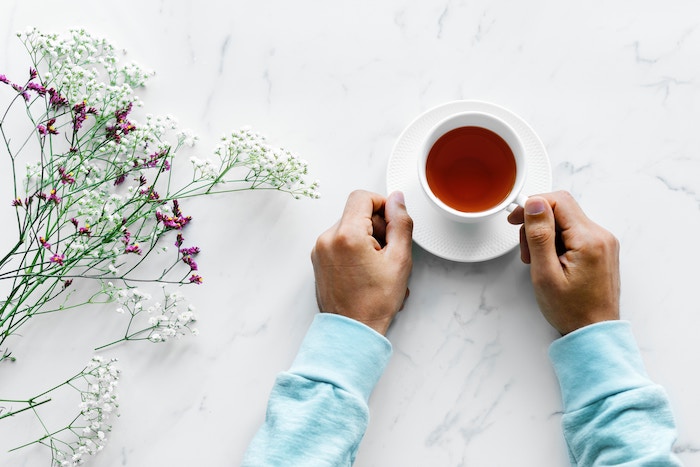
Stronger and more energetic than the favorite green tea of ​​Asian countries, black tea is a commodity particularly appreciated by Westerners. In Great Britain, black tea variants are the favorites and infuse a majority of teapots.

According to the little story, it seems that a long, long time ago, when the English did not know yet about tea, China would have prepared a packet of green tea. During the boat trip, this tea would have had time to ferment in its packaging. This small mistake was greeted with enthusiasm. Indeed, the English loved this intense taste, preferring even green tea. For this reason, they re-ordered, to the confusion of the Chinese.

Today, black tea is the most drunk in the world. Not in Asia, however: Asians are content to export it to countries that have adopted this "error" of black tea. It must be said that black tea has several advantages. As it is fully oxidized, it lasts longer on the shelves: no need to hurry, it is not the aromas of black tea that will degrade anytime soon!

Health benefits

Although green tea often steals the spotlight on "good for the body" drinks, black tea does not fail to score some good points! Its content of theine and tannin is perhaps higher, and its amount of antioxidants a little lower ... However, this amount of caffeine is negligible: it would be said to be beneficial, insofar as it serves to enhance the moods and mental abilities.

Flavonoids in your cup of black tea will also have an unexpected effect, ladies: this type of antioxidant increases your calcium intake. British studies put the increase at 3% - a modest figure, but enough to reduce osteoporosis in women drinking at least three cups of black tea a day.
Rooibos

Rooibos.jpg

Leaves rolled in a pretty reddish color, a name with the appellation contrôlée, capricious origins, but faithful - the rooibos tea (in Afrikaans language "red bush") is a small marvel of the world of the teas. Without caffeine and with a high antioxidant content, rooibos also has many health benefits.

Health benefits

If rooibos has carved a place in Western markets, it is thanks to the content of its red leaves. With few tannins and no caffeine at all, rooibos has a much less astringent finish than other strong teas. It therefore replaces beautifully full-bodied black teas. Moreover, what rooibos lacks in theine and caffeine, it compensates for antioxidants! The polyphenols in question protect the body from several ailments: stress, skin diseases, cardiovascular disorders, aging cells ... By preventing cells from oxidizing, the body manages to avoid many sores!

Production and preparation

Strangely, rooibos seems to grow only in one place: South Africa. More precisely, in the mountains of Cederberg. And this, despite the various efforts to transplant plantations in areas with similar climate!

In South Africa, rooibos tea is drunk hot, with milk and sugar. However, as its natural flavor is rather sweet, rooibos can be drunk without adding anything, hot and cold! To prepare it, just boil water (yes, yes: the rooibos requires a boiling water to 100 degrees!) And infuse the desired amount of tea between 7 and 10 minutes. You can then add a little honey, lemon or sugar - the rooibos pairs wonderfully with citrus scents !!

The Japanese tea ceremony

Ceremony du the.jpg

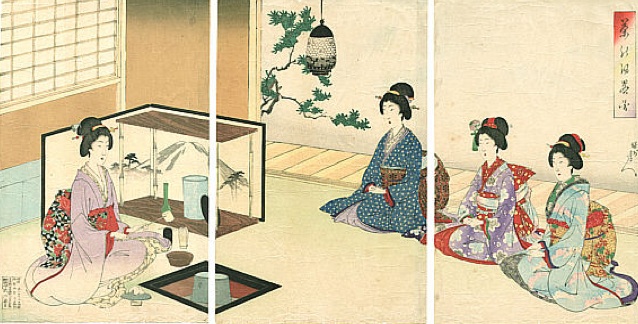
Fans of Japan will probably already have some knowledge of the tea ceremony. In mangas and animes, in films and on old drawings, this refined and formal ceremony does not lack representations. But what are his codes really? Here we give you the outline.

THE ART OF ZEN

There are two major terms to know about Japanese teas and ceremonies. First, chanoyu: it's the art of the ceremony, the tea service according to the Japanese codes. Then chado (or sado). The "chado way" represents the way of tea. The idea is to look at the tea ceremony from a spiritual angle - after all, the tradition comes from Zen Buddhism. It is no wonder that the tea master and his guests see the tea ceremony with much more spirituality than the English set their own tea time.

THE DOMAIN OF WISDOM AND KNOWLEDGE

The practitioner of chanoyu should not be good to prepare and pour the tea! The knowledge needed to fulfill this role is vast ... and varied. Indeed, the tea master must know calligraphy, kimonos, floral arrangements, ceramics, incense ... and that's not to mention the knowledge of tea! Practitioners need to understand the origins of producing the tea they serve - as well as all other types of tea! Like the masters of sushi, tea masters study and refine their practices and knowledge throughout their lives. We do not become tea master in one night!
Moreover, guests must also have some knowledge base to participate in formal ceremonies. The polite phrases, the recommended gestures, the correct ways to stand and drink your tea - these are all points to know and apply to honor the tradition.

Matcha

2024/5000
If you've ever tasted popular Japanese sweets, you'll probably have a taste for green tea. Green tea ice cream, green tea mochi, green tea cake: the flavor is elegant, sweet without being too sweet and, above all, ubiquitous and delicious. However, when the obtained substance must be gelatinous or creamy, the green tea scenting these delicacies must be fine and versatile. And that's when the matcha enters the stage.

RENDEZ-VOUS MATCHA

What is matcha? This is a very fine green tea powder. The tea leaves are ground between two stones. Although the process seems quite simple, finding matcha - or matcha utensils - can be tricky outside of Japan. Moreover, it should also be mentioned that in Japan itself, matcha is a luxury commodity. Not only does the matcha powder come at a nice price (which goes up to extravagant levels, along with its quality), but its instruments, made from bamboo in a traditional way, can also cost a good sum. No wonder matcha is associated with a refined tradition - the Japanese tea ceremony.

HISTORY AND PREPARATION

Surprisingly (if we notice the relative absence of matcha in China), it was under the Chinese Song Dynasty that matcha was invented. This tea powder became a key element of Chan Buddhist rituals and it was with this spiritual connotation that it was brought back to Japan by a monk in the 12th century.
A few centuries pass. The Chinese have stopped using this form of tea. The Japanese, meanwhile, codify its use in a context of tea ceremony, chanoyu. We must sift the matcha; place it in a tea bowl with a scoop of bamboo (chashaku) and whip with a traditional whip, the chasen, until a uniform liquid is obtained. According to tradition, matcha is drunk three times, with a little sweetness between sips to soften the bitter taste.

Thematic of Mars: A sweet Sunday

¡A sweet Sunday

Outside it is cold, a small snowstorm is coming but at home the atmosphere is soft and warm. Fill your cup, sit comfortably on your couch, and take care of yourself.

Close your eyes and enjoy this moment of pleasure! Meditate, rest wrapped in your blanket, and discover the wealth of spices that intoxicate your teas and infusions.

Subscribe between February 1 and 28 to receive your box in March.

As usual, you will receive an assortment of 4 to 5 varieties of tea and tea to enjoy and share (or not).

Suivez-nous — Inscrivez-vous à notre infolettre pour faire le plein d'exclusivités.

Une réalisation e-commerce de yafoy